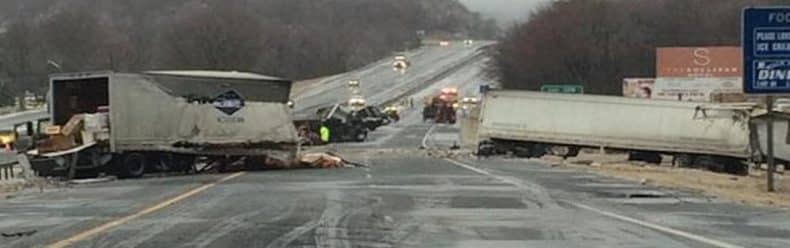
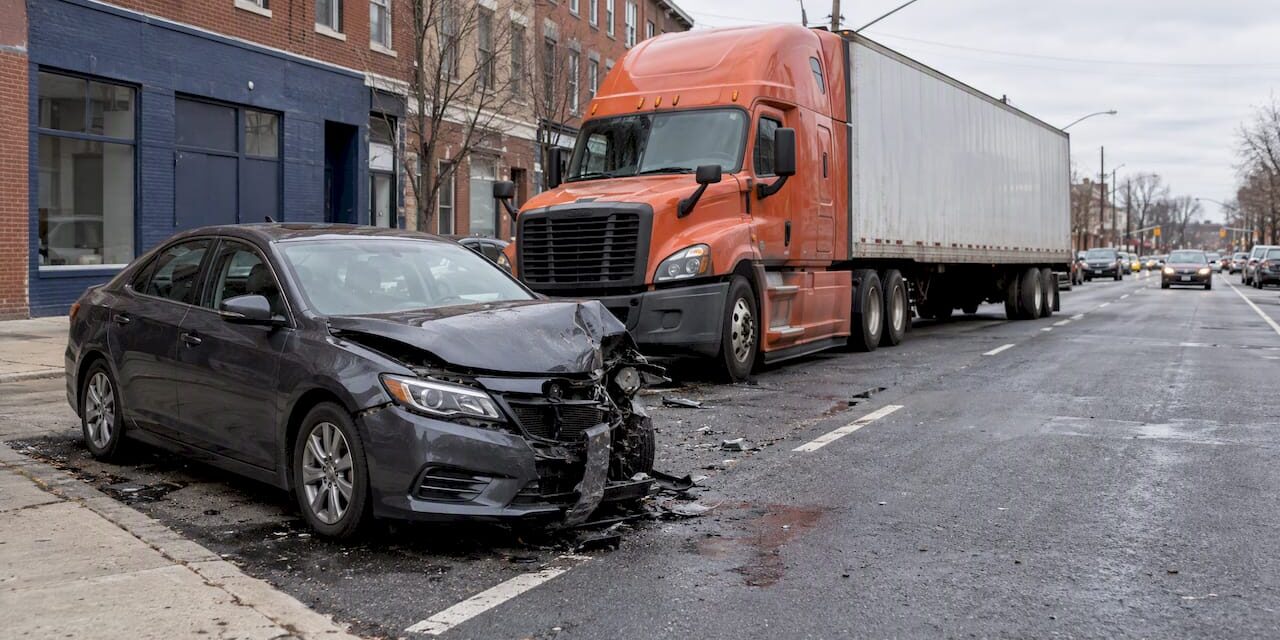
If a commercial truck hit you or someone you love in Philadelphia, you should do three things quickly: get medical care, protect the evidence, and talk to a trucking accident lawyer before you speak with any insurer. Pennsylvania gives you two years to start a lawsuit for injury or death caused by another’s negligence, and trucking companies begin protecting themselves within hours. This guide explains what to do, who may be responsible, what compensation may be available, and how to pick the right attorney.
TL;DR
- Get medical care first, then make sure police investigate. Philadelphia requires an investigation when a crash involves injury, death or a vehicle too damaged to drive.
- Pennsylvania’s general deadline for an injury or wrongful death lawsuit is two years.
- A truck crash often involves more than the driver: the carrier, a cargo loader, a maintenance contractor or a manufacturer may share blame.
- If you were working when the crash happened, you may have both a workers’ compensation claim and a separate third-party claim.
- We work on contingency: no fee unless we win or settle your case.
Table of Contents
- What to do right after a truck accident in Philadelphia
- Who may be liable in a Philadelphia truck crash
- Fault and your claim in Pennsylvania
- What compensation may be available
- How long a Philadelphia truck accident case takes
- How to choose a Philadelphia truck accident attorney
- How we handle truck accident cases
- FAQ
- Sources
What to do right after a truck accident in Philadelphia
Your health comes first. Call 911, accept treatment at the scene, and see a doctor even if you feel “fine.” Injuries from a collision with a loaded truck often show up later, and gaps in treatment give insurers an argument.
Philadelphia requires law enforcement to investigate crashes involving injury or death, or damage that leaves a vehicle undrivable and needing a tow. Ask for the report number before you leave.
If you are able, document the scene:
- Photograph the truck, its markings, the license plate, the USDOT number on the cab door and the damage to every vehicle.
- Capture skid marks, signals, road conditions and nearby cameras on storefronts or buildings.
- Get names and phone numbers of witnesses and the driver’s name and employer.
- Keep your medical records, bills and a short daily note of pain and missed work.
Do not give a recorded statement to the trucking company’s insurer, and do not sign a release. Those early conversations are designed to limit what the claim is worth.
Who may be liable in a Philadelphia truck crash
A car crash usually has one at-fault driver. A truck crash often has several possible defendants. Depending on the facts, responsibility may reach:
- The driver, for speeding, distraction, fatigue or impairment.
- The trucking company, for pressuring drivers, poor hiring or training, or skipped maintenance.
- Cargo loaders or shippers, when overloaded or unbalanced freight contributes to a rollover or jackknife.
- Maintenance shops or parts manufacturers, when brakes, tires or other equipment fail.
Our pages on truck accident liability and common causes of truck accidents walk through how each theory is built. Other crashes involve commercial vehicles such as delivery vehicles and work trucks, which can raise the same questions.
Evidence that disappears fast
Federal rules require carriers to keep records of qualifying crashes in the driver’s qualification file for at least three years. That is a minimum, not a promise that everything else is saved. Dashcam video, electronic logging data and engine data can be overwritten much sooner. An attorney can send a preservation letter demanding the company keep them, and can bring in accident reconstruction experts to read that data.
The same guidance defines a reportable accident for heavier commercial vehicles as one involving a fatality, an injury needing immediate treatment away from the scene, or disabling damage requiring a tow. If your crash fits that description, the carrier should have a record of it.
Fault and your claim in Pennsylvania
Pennsylvania uses a comparative negligence rule. Under state law, you can still recover if your share of fault is not greater than the defendant’s, but your damages are reduced in proportion to your share. Insurers know this and will look for any reason to assign you blame, which is another reason to avoid casual statements about what happened. For a broader overview, see our guide to Pennsylvania personal injury laws.
What compensation may be available
Every case is different, and no lawyer can honestly promise a number. The categories of recovery are more predictable.
Your own auto insurance
Pennsylvania law requires insurers to offer first-party benefits, including at least $100,000 in medical coverage, income-loss benefits of at least $2,500 per month up to at least $50,000, and funeral benefits of $2,500. What you actually have depends on the policy you bought, so find your declarations page early.

A claim against the at-fault parties
A liability claim can seek compensation beyond those benefits, such as full medical costs, lost income and pain and suffering. Commercial carriers usually carry larger policies than private drivers, which is one reason these claims are investigated so heavily on both sides.
If you were working when the truck hit you
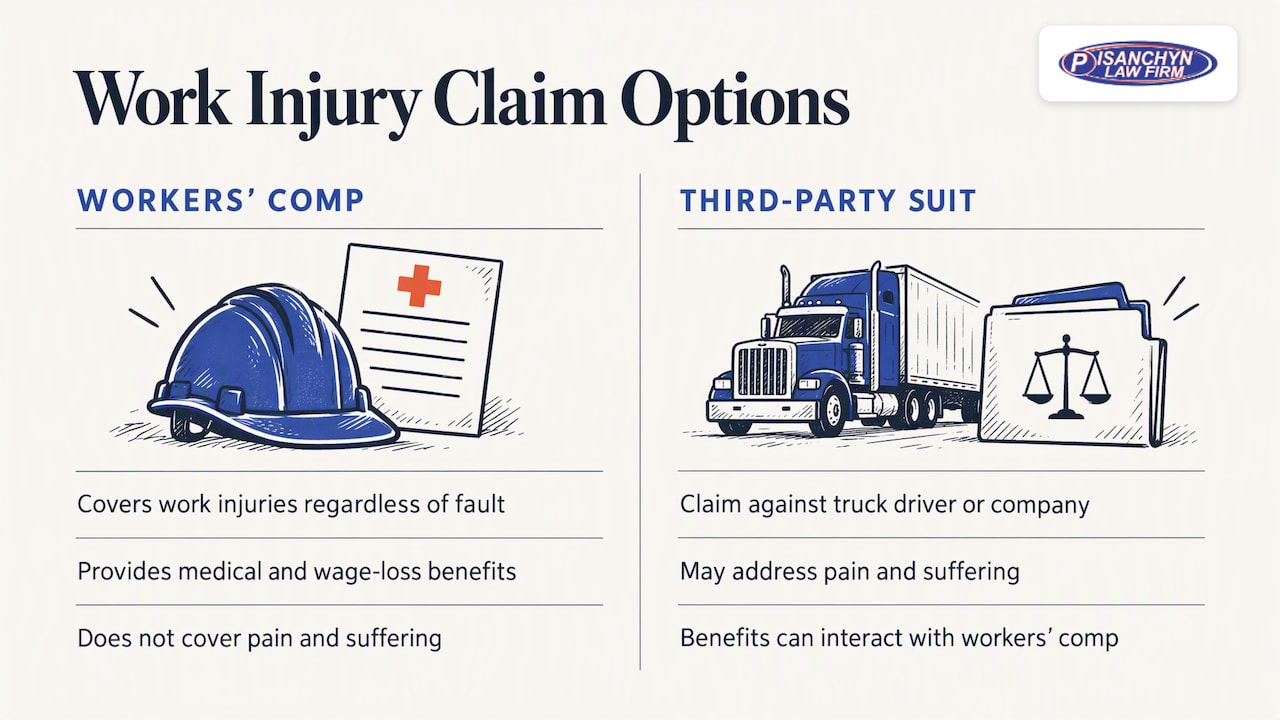
Delivery drivers, couriers, utility crews and road workers are often hurt on the job. Under Section 301 of the Workers’ Compensation Act, employers are liable for covered work injuries without regard to fault. The state’s injured worker pamphlet describes medical care, wage-loss benefits of about two-thirds of average weekly wages up to a weekly maximum, specific-loss benefits and death benefits for dependents.
Workers’ compensation does not cover pain and suffering. A third-party lawsuit against someone other than your employer or a coworker, such as the truck’s driver or company, may address those losses. Sorting out both tracks together matters because the benefits can interact.
When a truck crash is fatal
Pennsylvania’s wrongful death statute allows an action for a death caused by another’s wrongful act or negligence. It names the spouse, children or parents as beneficiaries and permits recovery of reasonable hospital, medical, funeral and administration expenses. Our wrongful death attorneys handle these cases for families across Pennsylvania.
How long a Philadelphia truck accident case takes
There is no standard timeline. Many cases settle without a trial once the injuries are understood and the evidence is gathered. If a case is filed in Philadelphia County and the amount at stake is $50,000 or less, it must first go to compulsory arbitration, with hearings listed about eight months after filing. Full discovery tools, including depositions and interrogatories, are available in those cases. Serious truck cases with larger claims usually take longer because medical recovery has to be understood before a fair value can be set.
How to choose a Philadelphia truck accident attorney
A commercial truck case is not a larger car case. Look for these things:
- Trucking experience. Ask how many truck cases the lawyer has handled and what happened in them, not only car crashes.
- Command of federal trucking rules. Hours-of-service, maintenance and driver qualification rules are central to proving a carrier’s fault. A legal-news guide to vetting truck lawyers also points to knowledge of Federal Motor Carrier Safety Administration rules.
- Expert resources. Reconstruction and medical experts cost money up front. Ask who pays and how.
- Written fee terms. Get the contingency percentage, whether it rises at trial, and who bears litigation costs in writing.
- Direct access. You should be able to reach your attorney, not just a case manager.
How we handle truck accident cases
Pisanchyn Law Firm represents injured people across Pennsylvania, including truck accident victims. We prepare each case around the client’s facts, work with a network of expert witnesses, and put you in direct contact with your attorney. You pay no fee unless we win or settle your case. Tell us what happened and we will explain your options.

We also serve readers in other parts of the state through our Harrisburg and Pittsburgh truck accident pages.
FAQ
How long do I have to file a truck accident claim in Philadelphia?
Pennsylvania generally requires a lawsuit for personal injury or wrongful death to be started within two years. Insurance claims and evidence preservation should begin much sooner. Speak with an attorney early so exceptions, if any, can be evaluated.
What if I was partly at fault?
You may still recover if your fault is not greater than the defendant’s. Your compensation is reduced by your percentage of fault. Insurers often overstate a claimant’s share, so do not accept their version of events.
Can I file a claim if I was hurt in a truck crash while working?
Yes. You may be able to receive workers’ compensation and also pursue a third-party claim against the truck driver or company. The third-party claim can cover losses workers’ compensation does not.
How much does a truck accident lawyer cost?
At our firm, there is no fee unless we win or settle your case. Fee terms should always be in a written agreement that you read before signing.
Sources
- 42 Pa.C.S. § 5524, two-year limitation
- Philadelphia Vehicular Accidents Explainer
- PennDOT accident report technical sheet
- 42 Pa.C.S. Chapter 71, comparative negligence
- 75 Pa.C.S. § 1791, first-party benefits
- Workers’ Compensation Act, Article III
- Pennsylvania injured worker pamphlet
- Justia, workers’ compensation after truck accidents
- 42 Pa.C.S. § 8301, wrongful death
- Philadelphia Compulsory Arbitration Program
- Philadelphia arbitration case management guidelines
- Guide to vetting truck accident lawyers
Recommended
- Truck Accident Liability
- Trucking Accident Injury Compensation
- Common Causes of Truck Accidents
- Commercial Vehicle Accident Attorneys