
The Ultimate Guide to Personal Injury Law
A practical overview of Pennsylvania personal injury claims, including common case types, what to do after an injury, how claims are investigated, what compensation may be available, and when to speak with an attorney.
Educational information • Free consultations • Available 24/7

$100M+Settled for clients
1,000+Cases won
20+Years experience
24/7Available to help
What Is Personal Injury Law?
Personal injury law addresses situations in which a person suffers harm because of another person’s or organization’s negligence, unsafe conduct, or other legally actionable wrongdoing. A claim may involve physical injuries, financial losses, long-term disability, or the death of a loved one.
Whether a claim exists depends on the facts. Important questions can include who owed a legal duty, how that duty was breached, whether the breach caused the injury, what insurance coverage applies, and what losses can be documented.
This guide explains the basic building blocks of a Pennsylvania personal injury claim. It is general information, not a substitute for advice about a specific case.
Personal Injury Cases Pisanchyn Law Firm Handles
Different claims require different evidence, insurance analysis, and legal strategies. These are some of the primary matters handled by the firm.
01
Car Accidents
Claims involving negligent drivers, disputed fault, uninsured or underinsured motorists, and serious crash injuries.
02
Truck Accidents
Commercial truck cases may involve carriers, drivers, maintenance companies, electronic data, and multiple insurance policies.
03
Motorcycle Accidents
Serious rider injuries involving negligent drivers, dangerous roadway conditions, and insurance coverage disputes.
04
Workers’ Compensation
Work injury claims involving medical treatment, wage loss, denied benefits, IMEs, return-to-work issues, and petitions.
05
Medical Malpractice
Claims involving diagnostic errors, surgical mistakes, medication errors, delayed treatment, and other medical negligence.
06
Birth Injuries
Serious injuries involving pregnancy, labor, delivery, newborn care, cerebral palsy, HIE, and related conditions.
07
Slip and Fall
Premises liability claims involving unsafe floors, stairs, walkways, snow and ice, lighting, maintenance, and other hazards.
08
Dog Bites
Dog attack claims involving puncture wounds, scarring, infection, nerve damage, and emotional trauma.
09
Catastrophic Injuries
Life-changing injuries such as brain injury, spinal cord injury, amputation, severe burns, and sensory loss.
10
Wrongful Death
Claims brought after negligence or another preventable event causes a fatal injury.
11
Construction Accidents
Jobsite injuries involving falls, machinery, contractors, unsafe conditions, and possible third-party claims.
12
Social Security Disability
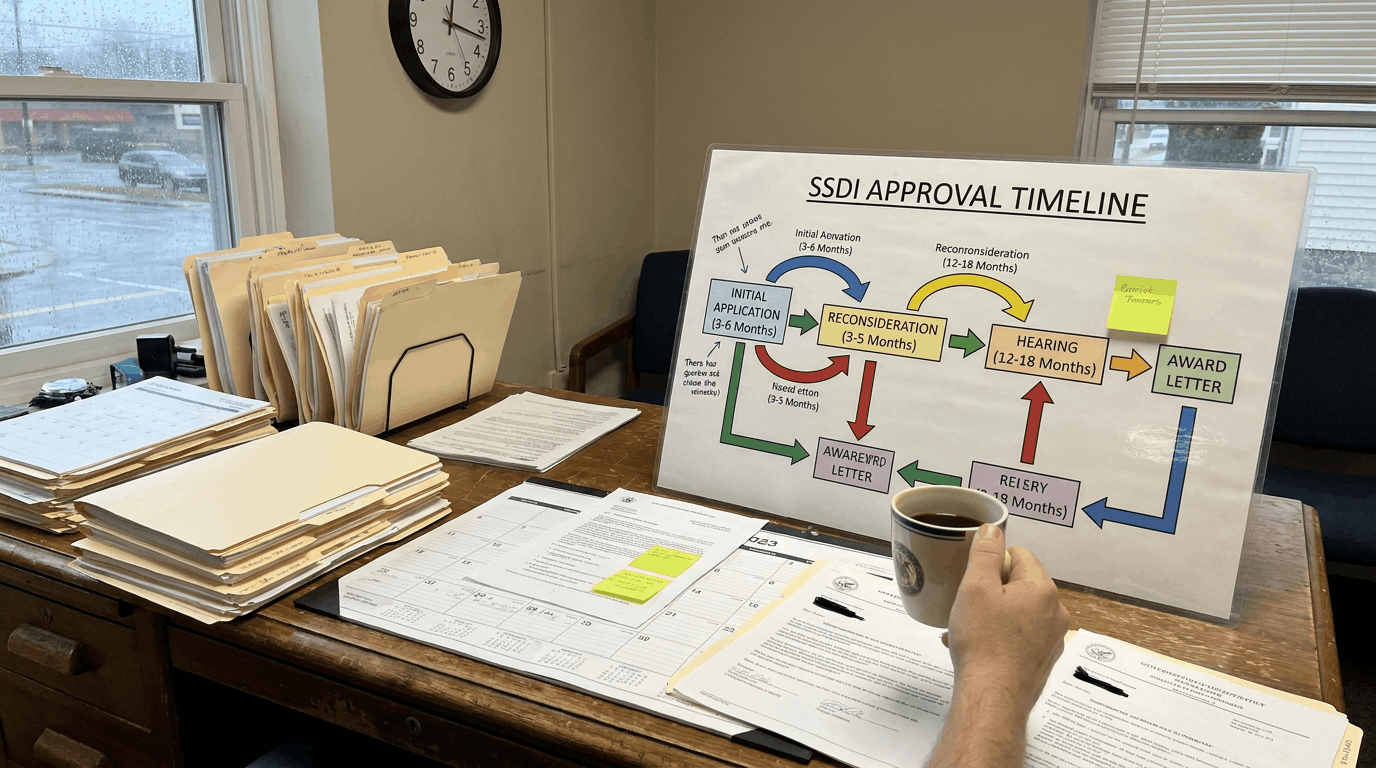
Assistance with SSDI and SSI applications, denials, appeals, hearings, and medical evidence.
What Should You Do After a Serious Injury?
Your health comes first. Beyond treatment, a few practical steps may help preserve information that later becomes important to a claim.
Protect Your Health
- Seek appropriate medical care.
- Follow treatment recommendations and attend follow-up appointments.
- Keep a current list of providers, medications, testing, and therapy.
- Document changes in symptoms, mobility, work ability, and daily activities.
Preserve Information
- Photograph the scene, vehicles, property conditions, or visible injuries when possible.
- Keep police reports, incident reports, insurance correspondence, and medical records.
- Save witness names and contact information.
- Track missed work, reduced wages, travel, and other injury-related expenses.
How a Personal Injury Claim Typically Develops
01
Case Review
The facts, injuries, available evidence, responsible parties, and insurance coverage are reviewed to determine what legal claims may exist.
02
Investigation
Relevant records, reports, photographs, video, witness information, medical evidence, employment records, and insurance information may be gathered.
03
Medical Development
Understanding the diagnosis, treatment, prognosis, restrictions, and future medical needs can be important to evaluating a claim.
04
Demand and Negotiation
When appropriate, the evidence and claimed losses may be presented to an insurer or responsible party in an effort to resolve the matter.
05
Litigation
If the claim cannot be resolved, a lawsuit may be filed. Litigation can include pleadings, discovery, depositions, expert review, and court proceedings.
06
Resolution
A case may resolve through settlement, mediation, court rulings, or trial depending on the facts and positions of the parties.
What Compensation May Be Available?
There is no standard value for a personal injury case. Potential compensation depends on the facts, the severity of the injuries, applicable law, available insurance or assets, and the evidence supporting the losses.
Depending on the type of claim, recoverable losses may include past and future medical expenses, lost income, reduced earning capacity, rehabilitation, pain and suffering, permanent disability, scarring, disfigurement, loss of quality of life, and other legally recognized damages.
There Is No Honest “Average Settlement”
Two people can suffer similar injuries and have very different claims because liability, insurance coverage, treatment, wage loss, future needs, and long-term effects vary from case to case.
Evidence That May Matter in a Personal Injury Case
Liability Evidence
- Police or incident reports
- Photographs and video
- Witness statements
- Surveillance footage
- Vehicle or maintenance records
- Property inspection or maintenance records
Injury and Loss Evidence
- Medical records and imaging
- Specialist and therapy records
- Medical bills and future-care information
- Employment and wage records
- Work restrictions
- Documentation of daily limitations
Pennsylvania Personal Injury FAQs
How do I know whether I have a personal injury case?
A claim generally depends on how the injury occurred, whether another party may be legally responsible, whether that conduct caused the harm, and whether the losses can be documented. A case review can help identify the relevant issues.
How long do I have to bring a personal injury claim in Pennsylvania?
Deadlines vary by claim type and circumstances. Some Pennsylvania injury claims are subject to relatively short filing periods, and special rules can apply in cases involving government entities, minors, medical malpractice, or other circumstances. Prompt legal review is important.
What if I was partly responsible for the accident?
Partial responsibility does not automatically end every Pennsylvania injury claim. The effect depends on the facts and the type of claim involved.
Should I give the insurance company a recorded statement?
You may need to provide basic notice that an accident occurred, but detailed or recorded statements about fault, injuries, treatment, or recovery can affect a claim. Consider getting legal guidance before providing one.
How long does a personal injury case take?
The timeline can depend on medical treatment, disputed responsibility, the number of parties, insurance coverage, the amount of evidence involved, and whether litigation becomes necessary.
Will my case go to trial?
Many claims resolve without trial, but some require litigation when responsibility, damages, insurance coverage, or settlement value remain disputed.
How much does it cost to speak with Pisanchyn Law Firm?
Pisanchyn Law Firm offers free consultations. If a personal injury matter is accepted on a contingency-fee basis, the fee arrangement is explained before representation begins.
Speak With Our Team in Scranton, Harrisburg, or Pittsburgh
Scranton
524 Biden Street
Scranton, PA 18503
(570) 344-1234
Harrisburg
3609 N. Front Street
Harrisburg, PA 17110
(717) 238-3333
Pittsburgh
241 Fourth Ave.
Pittsburgh, PA 15222
(412) 261-1212
Commonly Asked Questions
Explore additional articles and answers from Pisanchyn Law Firm.








Have Questions About a Pennsylvania Injury Claim?
Tell us what happened. Pisanchyn Law Firm can review the situation and explain your options.