
For many drivers in Philadelphia, Roosevelt Boulevard isn’t just another road. It’s a route with a reputation — one built on heavy traffic, confusing intersections, and a long history of serious motor vehicle crashes.
Roosevelt Boulevard (US-1) carries tens of thousands of vehicles every day through Northeast Philadelphia. It connects commuters, shoppers, pedestrians, cyclists, and delivery traffic on a wide corridor that changes character block by block. For all its utility, that mixture of traffic and road design contributes to frequent collisions — many of them serious.
If you or someone you care about was injured in a car accident on Roosevelt Boulevard, knowing why accidents happen so often here and what steps to take next can be incredibly important.
Why Roosevelt Boulevard Is So Dangerous
Unlike typical city surface streets, Roosevelt Boulevard combines:
-
High vehicle speeds
-
Multiple travel lanes
-
Frequent cross-traffic intersections
-
Heavy pedestrian and bicycle use
This unique mix makes it more dangerous than most urban roads.
Drivers can travel at highway-like speeds, but traffic signals, turning vehicles, crosswalks, and bus stops interrupt traffic flow constantly. These stop-and-go conditions create conflicts between vehicles at different speeds and directions, and that drastically raises crash risk.
Add in distracted driving, pedestrian crossings, delivery traffic, and occasional poor visibility due to parked vehicles or landscaping, and you have an environment where serious collisions are more common than many drivers expect.
Common Types of Accidents on Roosevelt Boulevard
Accidents on Roosevelt Boulevard often differ from those on standard residential streets. Some common crash types include:
-
Rear end collisions during signal changes
-
T-bone and angle crashes at intersections
-
Pedestrian and bicycle collisions near bus stops
-
Left-turn collisions at major side streets
-
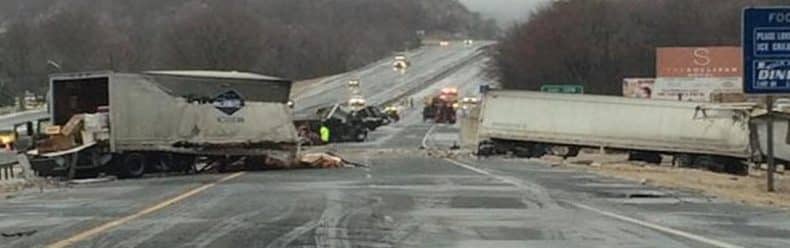
High-speed multi-vehicle crashes
-
Crashes involving trucks and delivery vehicles
Because these accidents often occur at higher speeds or in heavy traffic, injuries can be severe.
Are Roosevelt Boulevard Accidents More Severe Than Other City Crashes?
In many cases, yes.
Accidents on Roosevelt Boulevard often involve:
-
Higher speeds than typical city block crashes
-
Multiple vehicles
-
Pedestrian impacts
These factors increase the likelihood of:
-
Traumatic brain injuries
-
Neck and back injuries
-
Broken bones
-
Road rash and soft tissue damage
-
Internal injuries
Because of the serious harm often involved, many people injured on Roosevelt Boulevard benefit from contacting a trusted Philadelphia car accident lawyer right away.
Road Design and Traffic Patterns Play a Role
Roosevelt Boulevard is unique. Throughout its length, traffic patterns change. Some sections have:
-
Six or more travel lanes
-
Multiple turn lanes
-
Wide medians
-
Rapid bus lanes
This can lead to confusion for motorists, especially drivers unfamiliar with the area.
In other sections, pedestrian crossings are frequent, but drivers may not always anticipate them. Bus stops often require vehicles to slow or stop abruptly, creating rear-end risk.
When road design and traffic behavior interact in these ways, it not only increases accident frequency — it can also complicate determining fault after a crash.
What to Do After a Crash on Roosevelt Boulevard
If you’re involved in an accident on Roosevelt Boulevard, your actions immediately after the collision matter. If you are able, consider the following steps:
-
Call 911 and report the accident
-
Seek medical attention, even if injuries seem minor
-
Move vehicles to a safe location if possible
-
Take photos of damage, road conditions, traffic signals, intersections, and surroundings
-
Collect contact information from witnesses
-
Avoid giving recorded statements to insurance companies without guidance
Roosevelt Boulevard crashes often involve disputed facts or multiple parties. Knowing what to do after a crash can help protect your rights and strengthen your claim.
Evidence That Matters in Roosevelt Boulevard Cases
Because this roadway is heavily trafficked and complex, evidence is particularly important in accident claims here.
Important evidence can include:
-
Crash scene photos
-
Traffic signal timing data
-
Nearby surveillance or red-light camera footage
-
Witness accounts
-
Vehicle damage and impact patterns
-
Police reports
An experienced attorney can help gather and interpret this evidence to build a strong case.
FAQs About Roosevelt Boulevard Accidents
What makes Roosevelt Boulevard dangerous in Philadelphia?
Roosevelt Boulevard combines high traffic volume, multiple travel lanes, frequent intersections, and heavy pedestrian use, which creates more opportunities for serious crashes.
Do construction zones on Roosevelt Boulevard increase accident risk?
Yes. Temporary lane shifts, narrowed roads, and unclear signage can make navigating the boulevard even more challenging for drivers and pedestrians.
Can road design affect who is at fault in a crash?
Yes. Poor or confusing road design — including unclear turn lanes or signal placement — can be evidence in determining liability.
Are pedestrian accidents common on Roosevelt Boulevard?
They happen more often here than on typical city streets due to frequent crossings, bus stops, and large numbers of pedestrians.
Final Thoughts
Roosevelt Boulevard is a vital artery in Philadelphia, but it also carries risk. Heavy traffic, complex intersections, and mixed road uses contribute to a history of serious accidents on this stretch of US-1.
If you were injured in a crash on Roosevelt Boulevard, understanding why these accidents happen and what steps to take next can help you protect your recovery and your rights. Working with an experienced Philadelphia car accident lawyer can ensure your case is handled with care and depth.