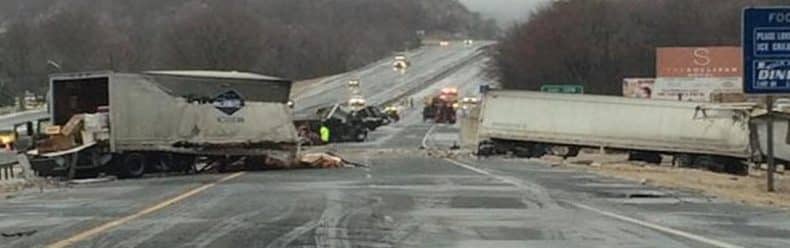

Interstate 83 is one of the most heavily traveled highways in the Harrisburg area. It serves as a primary route for commuters, commercial vehicles, and drivers traveling between Central Pennsylvania and Maryland. During peak hours, traffic can move quickly and then slow without warning, creating ideal conditions for serious car accidents.
Crashes on I-83 near Harrisburg often involve high speeds, sudden congestion, and frequent lane changes. When accidents happen here, they tend to result in significant injuries and complicated insurance claims.
If you were injured in an I-83 car crash, understanding why these accidents happen so often and what steps to take afterward can help protect your recovery and your legal rights.
Why Rear-End Crashes Are So Common on I-83
Rear-end collisions are one of the most frequent types of motor vehicle accidents on I-83, especially near Harrisburg.
One major reason is traffic flow. I-83 often carries fast-moving traffic that can come to an abrupt stop due to congestion, construction, or merging vehicles. Drivers who are following too closely or not paying full attention may not have enough time to react.
Distracted driving also plays a role. Cell phone use, navigation systems, and in-vehicle distractions reduce reaction time. At interstate speeds, even a brief distraction can lead to a serious rear-end crash.
Weather can worsen these risks. Rain, fog, snow, and ice are common in Central Pennsylvania and can make stopping distances longer and visibility worse.
How Lane Changes Contribute to I-83 Accidents
Lane changes are another frequent cause of collisions on I-83.
Drivers often change lanes to avoid slower traffic, merge onto the highway, or prepare for upcoming exits. When lane changes are rushed or poorly timed, sideswipe and rear-end collisions can occur.
Commercial vehicles add another layer of risk. Large trucks have blind spots and require more space to maneuver. When passenger vehicles cut in front of trucks or linger in blind spots, accidents are more likely.
Determining fault in lane-change crashes often requires careful investigation of traffic patterns, vehicle positioning, and driver behavior.
Common Types of Accidents on I-83
Accidents on I-83 near Harrisburg often involve multiple vehicles and high speeds. Common crash types include:
-
Rear-end collisions during sudden slowdowns
-
Lane-change and sideswipe accidents
-
Multi-vehicle pileups
-
Truck-related crashes
-
Weather-related loss of control
-
Construction zone accidents
Because of the force involved, injuries from these crashes are frequently serious.
Injury Risks Associated With I-83 Accidents
Interstate collisions on I-83 often result in injuries that require extensive medical treatment. Common injuries include:
-
Traumatic brain injuries
-
Neck and back injuries
-
Spinal cord damage
-
Broken bones
-
Internal injuries
-
Long-term or permanent disability
These injuries can lead to mounting medical bills, lost income, and long recovery periods.
If you suffered serious injuries in an interstate crash, speaking with a Harrisburg car accident lawyer can help you understand what compensation may be available.
What Evidence Matters Most After an Interstate Crash?
Evidence is especially important after an accident on I-83 because events happen quickly and accounts may differ.
Key evidence may include:
-
Photos of vehicle damage and debris patterns
-
Skid marks and roadway conditions
-
Dashcam or traffic camera footage
-
Witness statements
-
Police reports
-
Vehicle data or cell phone records
Because interstate crashes often involve multiple drivers and insurance companies, collecting evidence early can make a significant difference in the outcome of a claim.
How I-83 Accidents Differ From City Street Crashes
Accidents on I-83 differ from typical city street crashes in several ways:
-
Higher speeds increase injury severity
-
Traffic congestion leads to chain reaction collisions
-
Lane changes and merges complicate fault analysis
-
Commercial vehicles are involved more frequently
These factors often make interstate accident claims more complex and higher value than standard city collisions.
What to Do After an Accident on I-83
If you are involved in an accident on I-83 near Harrisburg, your actions afterward matter.
If possible:
-
Call 911 and report the crash
-
Seek medical attention, even if injuries seem minor
-
Move vehicles to a safe location if possible
-
Take photos of the scene, vehicles, and road conditions
-
Collect contact information from witnesses
-
Avoid giving recorded statements to insurance companies
Understanding what to do after a crash can help protect your claim and preserve critical evidence.
FAQs About I-83 Accidents in Harrisburg
Why are rear-end crashes so common on I-83?
Sudden traffic slowdowns, distracted driving, and following too closely all contribute to frequent rear-end collisions.
How do lane changes affect liability after an accident?
Improper or unsafe lane changes can shift fault, especially when drivers fail to signal or cut off other vehicles.
What evidence matters most after an interstate crash?
Photos, witness statements, traffic camera footage, and police reports are often critical in determining fault.
Are I-83 accidents more severe than city crashes?
Often, yes. Higher speeds and multiple-vehicle involvement increase injury severity.
Final Thoughts
I-83 is a vital transportation route for Harrisburg and Central Pennsylvania, but it also presents real risks for drivers. High speeds, congestion, and frequent lane changes contribute to a steady number of serious accidents.
If you were injured in an I-83 crash, understanding how these accidents happen and what evidence matters can help you take the right next steps. Working with a trusted Harrisburg car accident lawyer can ensure your case is handled carefully and your rights are fully protected.