
For drivers in Pennsylvania, the Pennsylvania Turnpike is one of the most iconic highways in the state. Stretching across hundreds of miles and connecting communities from Harrisburg to Ohio and beyond, it’s a vital artery for commuters, long-distance travelers, and commercial traffic alike.
But that very connectivity also contributes to a high number of serious crashes. Accidents on the turnpike tend to be more severe than typical highway collisions, and the factors that contribute to those outcomes are often unique to high-speed, toll-road environments.
If you were injured in a turnpike crash near Harrisburg or anywhere in Pennsylvania, understanding why these collisions happen and what makes them so dangerous can help you navigate the aftermath more confidently.
Why Turnpike Accidents Are Often More Severe
The Pennsylvania Turnpike is built for speed and distance. Vehicles routinely travel at or near the posted speed limit, and many drivers treat the roadway like an express route with fewer interruptions.
But higher speeds mean that when a crash does occur, the force involved is far greater than on lower-speed routes. That often leads to:
-
More serious impact forces
-
Greater risk of rollovers
-
Severe multi-vehicle collisions
-
Catastrophic injuries
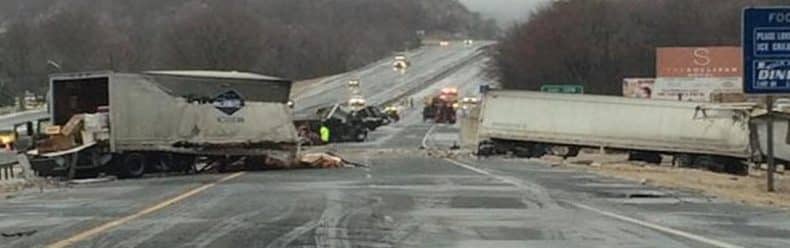
Especially when passenger vehicles are involved with much larger commercial trucks, the disparities in size and weight can make the consequences far more devastating.
Toll Roads and How They Impact Accident Investigations
Turnpikes are different from typical highways in many ways, including how accidents are documented and investigated.
One important factor is toll infrastructure. Toll plazas, electronic toll collection systems, and multiple travel lanes create complex traffic patterns that can be confusing during a crash. When an accident happens:
-
Cameras and toll sensors may capture vehicle movement
-
Multiple jurisdictional agencies may respond
-
Police, turnpike patrol, and highway safety investigators could all be involved
The presence of toll related infrastructure and multiple authorities can make investigations more detailed. Evidence may come from:
-
Toll camera footage
-
Entry/exit timestamp data
-
Turnpike patrol logs
-
Investigating officers’ reports
These pieces of evidence can be critical in understanding how a collision occurred and who was at fault.
How Commercial Traffic Increases Injury Severity
The Pennsylvania Turnpike is a major route for commercial trucks, freight haulers, and delivery vehicles. Compared to passenger cars, these vehicles:
-
Are significantly heavier
-
Require longer distances to stop
-
Have larger blind spots
-
Can cause far greater damage in a collision
When a commercial truck is involved in a crash, the risk of serious injury skyrockets. Victims often face injuries such as:
-
Traumatic brain injuries
-
Spinal cord damage
-
Multiple fractures
-
Internal injuries
-
Permanent disability
Handling a truck accident case is also more complex because it typically involves multiple entities — not just the driver, but also the trucking company, freight handlers, and possibly maintenance providers. For these reasons, many turnpike crash victims work with an attorney experienced in truck accident cases and serious injury claims.
Common Types of Turnpike Crashes
Accidents on the turnpike can take many forms, but some crash types are seen more often due to the combination of speed, traffic mix, and roadway design. These include:
-
High-speed rear end collisions
-
Lane departure crashes
-
Multi-vehicle pileups
-
Rollover accidents
-
Commercial truck collisions
-
Weather-related loss of control
Because many turnpike sections don’t have wide shoulders or ample escape space, vehicles involved in crashes can be trapped in travel lanes, creating additional risk for secondary collisions.
What to Do After a Turnpike Accident
If you are involved in a crash on the Pennsylvania Turnpike, knowing what steps to take can protect your health and your legal rights.
Immediately after a collision, if you are able:
-
Call 911 and report the crash
-
Seek medical attention, even if injuries seem minor
-
Move vehicles to a safe location if possible
-
Take photos of the scene, damage, and any skid marks
-
Note the direction of travel, weather, and road conditions
-
Get contact info from witnesses
-
Avoid giving recorded statements to insurance adjusters without guidance
Turnpike crashes often involve more than one insurance company and potentially multiple claimants. Understanding what to do after a crash can help preserve evidence and your ability to seek full compensation.
What Makes Turnpike Cases Different From Other Highway Accidents
Turnpike accidents are often more complex than other highway or city road collisions for several reasons:
-
Multiple jurisdictions may investigate the crash
-
Toll cameras and digital data become part of the evidence
-
Commercial vehicles are involved more often than on local roads
-
Higher speeds result in more serious injuries
These factors not only affect how the crash is investigated but also how the claim is valued and negotiated with insurers.
FAQs About Turnpike Accidents in Pennsylvania
Are Turnpike accidents more severe than other highway crashes?
Yes. Higher travel speeds, greater traffic mix, and frequent involvement of commercial vehicles tend to result in more serious injuries and complex claims.
How do toll road characteristics affect accident investigations?
Toll cameras, multiple agencies, and digital toll records often add additional layers of evidence and investigation, which can influence how fault and causation are determined.
Does commercial traffic increase injury severity?
Absolutely. Commercial trucks weigh much more than passenger vehicles, increasing the force of impact and the risk of severe injuries.
Final Thoughts
The Pennsylvania Turnpike connects communities, supports commerce, and keeps people moving — but it also carries risks that are unique to high-speed, high-volume travel. Crashes on the turnpike often lead to serious injuries, complicated investigations, and insurance disputes.
If you were injured in a turnpike accident near Harrisburg or anywhere in Pennsylvania, understanding what makes these collisions dangerous and taking the right steps early can help position your case for fair compensation.
Working with an experienced truck accident lawyer or serious injury attorney can help you navigate the complexities and focus on your recovery.