
If you have ever driven the Schuylkill Expressway, you already know it is not just a highway. It is a test of patience, nerves, and blood pressure. Many drivers joke that a single commute on I-76 takes hours off your life, and honestly, that may not be far from the truth.
The Schuylkill Expressway, also known as I-76, is one of the most heavily traveled and widely criticized highways in Pennsylvania. Stretching through the heart of Philadelphia, it carries commuters, commercial vehicles, and out-of-town traffic through narrow lanes and constant congestion.
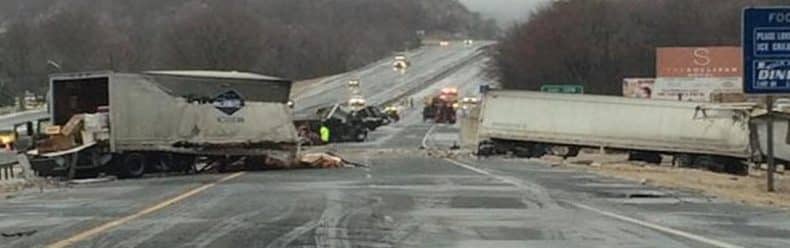
Crashes on the Schuylkill Expressway happen daily. Many of them are multiple vehicle accidents and result in serious injuries. Drivers familiar with this roadway know that even a short trip can turn dangerous with little warning.
If you were injured in a car crash on the Schuylkill Expressway, understanding why accidents happen so often on this road and what steps to take next can help protect your health and your legal rights.
Why the Schuylkill Expressway Is So Dangerous
Several factors combine to make the Schuylkill Expressway one of the most dangerous highways in the Philadelphia area.
One of the biggest issues is congestion. Traffic often moves at highway speeds until it suddenly stops. These abrupt slowdowns lead to frequent rear end collisions and chain reaction crashes.
The road design adds to the risk. The Schuylkill Expressway is narrow, with short entrance ramps and limited shoulder space. Drivers have little room to maneuver, especially when traffic is heavy.
Merging traffic is another constant challenge. Vehicles entering and exiting the highway must do so quickly, often leading to sudden lane changes and sideswipe accidents.
Weather also plays a role. Rain, fog, snow, and ice reduce visibility and traction, increasing the likelihood of accidents on an already unforgiving roadway.
Common Types of Accidents on the Schuylkill Expressway
Accidents on the Schuylkill Expressway often involve multiple vehicles and significant force. Common crash types include:
-
Rear end collisions during stop and go traffic
-
Multi vehicle pileups
-
Lane change and sideswipe accidents
-
Truck related crashes
-
Speed related collisions
-
Weather related loss of control
Because there is little shoulder space, disabled vehicles and crash scenes can quickly create dangerous traffic backups.
Are Schuylkill Expressway Accidents More Severe Than City Crashes?
In many cases, yes.
Although the expressway runs through an urban area, vehicles often travel at higher speeds than on city streets. When traffic suddenly slows, the risk of serious injury increases.
Victims of Schuylkill Expressway crashes often suffer:
-
Traumatic brain injuries
-
Neck and back injuries
-
Spinal cord damage
-
Broken bones
-
Internal injuries
These injuries can require extensive medical treatment and time away from work.
If you were injured in one of these crashes, speaking with a Philadelphia car accident lawyer can help you understand the full scope of compensation that may be available.
Truck Accidents on the Schuylkill Expressway
Commercial trucks regularly use the Schuylkill Expressway, even though the roadway was not designed to handle modern traffic volumes or large vehicles.
Truck accidents on this highway are especially dangerous due to the size and weight of tractor trailers. When a truck collides with a passenger vehicle, the occupants of the smaller vehicle are often seriously injured.
Truck accident cases may involve multiple responsible parties, including the driver, trucking company, or maintenance providers. Federal trucking regulations may also apply.
Because of these complexities, victims often benefit from working with an attorney experienced in handling truck accident cases.
What to Do After an Accident on the Schuylkill Expressway
If you are involved in an accident on the Schuylkill Expressway, your actions afterward can affect your injury claim.
If possible:
-
Call 911 immediately
-
Seek medical care, even if injuries seem minor
-
Move to a safe location if vehicles can be moved
-
Take photos of the scene, vehicles, and road conditions
-
Collect contact information from witnesses
-
Avoid giving recorded statements to insurance companies
Highway accidents often involve disputed fault and multiple insurance carriers. Reviewing guidance on what to do after a crash early can help protect your claim.
Can Road Design Play a Role in Fault?
Yes. Road design and maintenance can be important factors in Schuylkill Expressway accident cases.
Issues such as narrow lanes, limited shoulders, poor signage, or inadequate warnings may contribute to crashes. When roadway conditions play a role, liability may extend beyond the drivers involved.
Investigating these factors often requires reviewing maintenance records, crash history, and roadway design standards.
FAQs About Schuylkill Expressway Accidents
The Schuylkill Expressway is one of the most traveled highways in Philadelphia and one of the most dangerous. Congestion, road design, and high traffic volumes combine to create a constant risk of serious accidents.
If you were injured in a crash on the Schuylkill Expressway, understanding why these accidents happen and what steps to take next can help you protect your recovery and financial future.
Working with a trusted Philadelphia car accident lawyer can help ensure your case is handled carefully and that your rights are fully protected.
Why does the Schuylkill Expressway have so many accidents?
Heavy traffic, sudden congestion, narrow lanes, short ramps, and challenging road design all contribute to frequent crashes.
Are Schuylkill Expressway accidents more dangerous than city crashes?
Often, yes. Higher speeds and limited space increase the risk of serious injuries.
Do truck accidents make these crashes more severe?
Yes. The size and weight of commercial trucks significantly increase injury risk.
What should I do after a crash on I-76?
Call 911, seek medical care, document the scene if possible, and avoid speaking with insurance companies before understanding your rights.