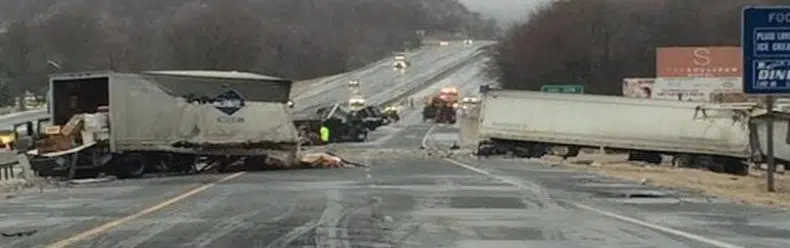
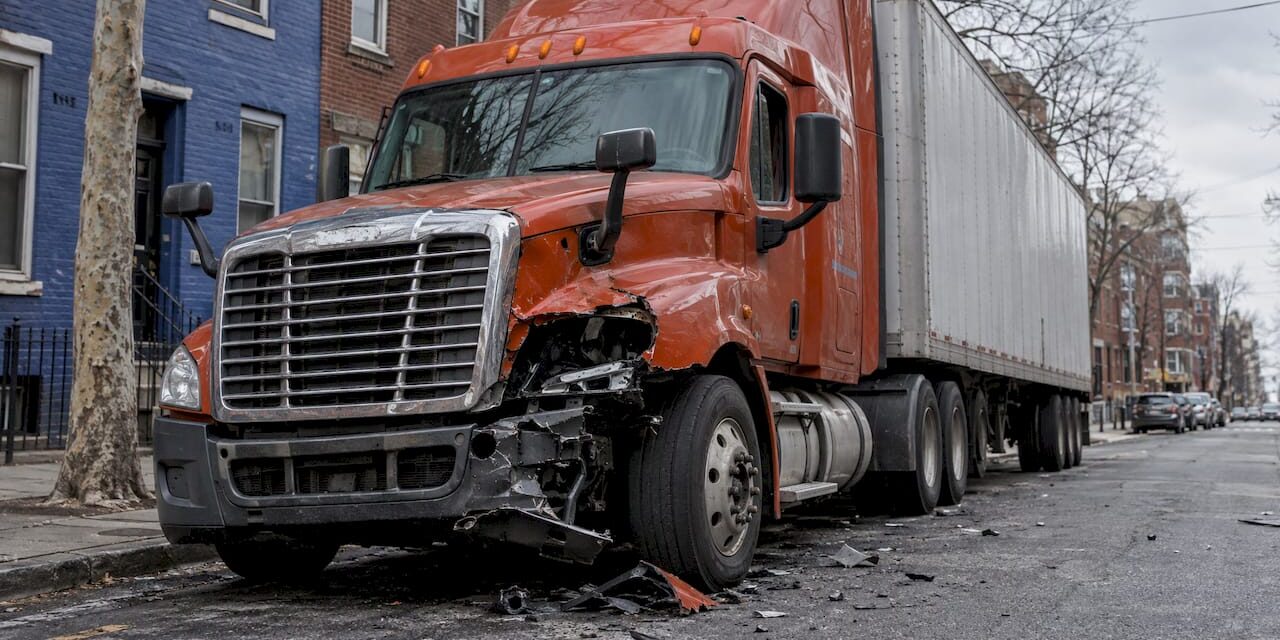
If a commercial truck hit you in Philadelphia, you need an attorney who can go after the trucking company and its insurer, not just the driver, and who can start preserving evidence now. Pisanchyn Law Firm represents truck accident victims across Pennsylvania, including Philadelphia, and you pay no fee unless your case settles or is won.
TL;DR
- Truck cases involve more than one possible defendant: the driver, the carrier, the owner of the truck or trailer, a loading company or a parts maker.
- Key evidence, such as driver logs and electronic data, can be lost if no one demands it early.
- Pennsylvania generally gives you two years to file an injury lawsuit, so waiting costs you leverage.
- Our firm works on contingency: we take a percentage of a settlement or award only if you win or settle.
- Get medical care first, then call an attorney before you speak with any insurance adjuster.
Table of Contents
- Why a truck crash is not a regular car claim
- Who can be held responsible
- Evidence that disappears quickly
- What the insurance side will do
- What your claim can include
- Deadlines and shared fault in Pennsylvania
- How hiring a truck accident attorney works
- Why Pisanchyn Law Firm
- FAQ
- Sources
Why a truck crash is not a regular car claim
A loaded tractor-trailer can weigh many times what a passenger car does, and the injuries reflect it: fractures, spinal damage, traumatic brain injury, and in the worst cases a death in the family. The legal side is just as lopsided. The company behind the truck usually has an insurer and a response team that moves within hours of a crash.
A car accident usually comes down to two drivers and two policies. A truck accident often involves a driver, a motor carrier, a company that owns the trailer, a business that loaded the cargo, and a maintenance contractor. Each may point at the others. Sorting out who answers for what is the first job of your attorney.
Our page on liability after a truck accident walks through these parties, and our guide to when the trucking company is liable explains why the company, not just the driver, is often the target.
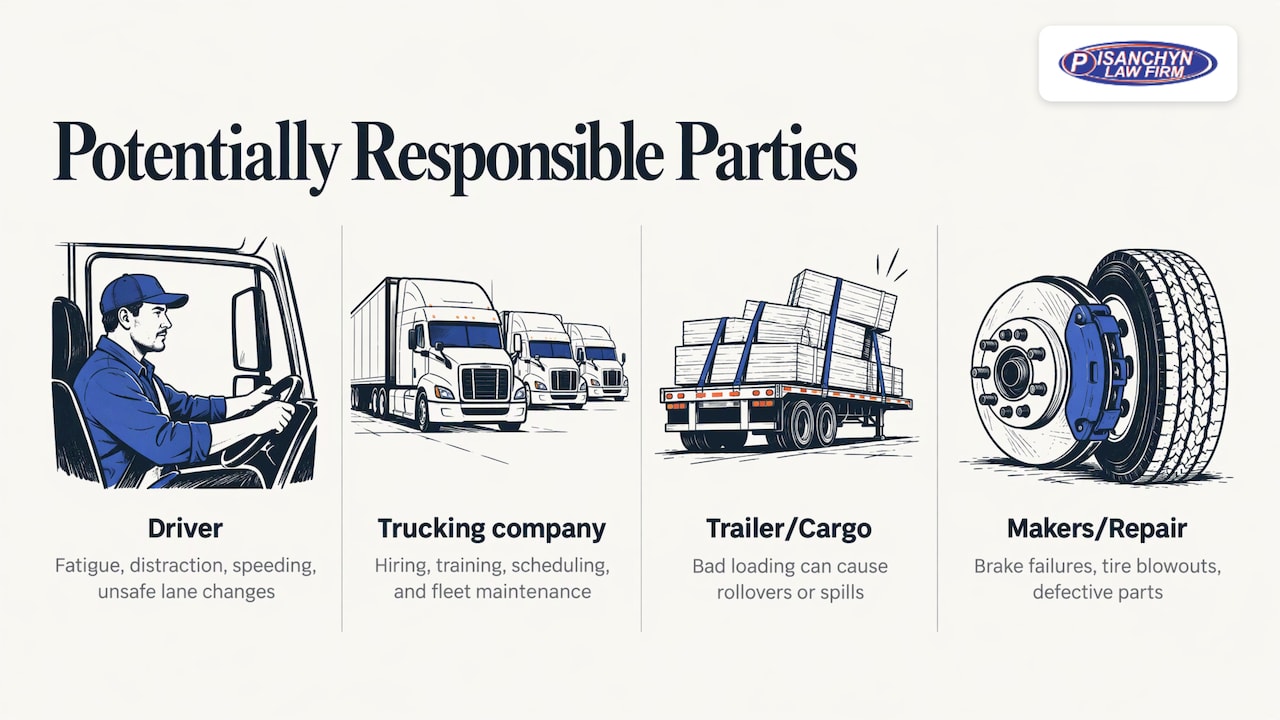
Who can be held responsible
In a Philadelphia truck case, we look at every link in the chain:
The driver. Fatigue, distraction, speeding, and unsafe lane changes on I-95, I-76, the Schuylkill Expressway or city streets are common causes.
The trucking company. A carrier can be responsible for the acts of its employee driver, and for its own decisions: how it hired, trained and scheduled drivers, and how it maintained its fleet.
Owners and loaders. A trailer owner, a leasing company or a business that loaded cargo badly can share responsibility when an unbalanced or unsecured load contributes to a rollover or spill.
Manufacturers and repair shops. Brake failures, tire blowouts and defective parts can point to the company that made or serviced them.
More on this is in our overview of truck accident liability.
Evidence that disappears quickly
Trucking companies are regulated, and that creates records. Federal rules limit how long a property-carrying driver may drive before a rest break, and the Federal Motor Carrier Safety Administration publishes those hours-of-service limits. Logs, dispatch records, inspection and maintenance files, and data recorded by the truck itself can show whether those limits were respected.
Those records do not stay around forever, and the truck may be repaired or returned to service within days. Your attorney can send a written preservation demand to the carrier so that the records are kept. In a case we take, our work includes gathering evidence, and the firm’s network of expert witnesses supports reconstructing what happened.
What you can do yourself, if you are able:
- Get medical attention and follow the treatment plan. Your records link your injuries to the crash.
- Photograph the vehicles, the road, the truck’s markings and your injuries.
- Write down the carrier name and the U.S. DOT number shown on the cab door, plus the driver’s name and insurance details.
- Keep your own vehicle and damage estimates as they are until your attorney says otherwise.
What the insurance side will do
Federal regulations set minimum insurance levels for motor carriers, and they vary by what the truck hauls. They are listed in 49 CFR Part 387. For a serious injury, bills for surgery, rehabilitation and lost income can climb fast, so how much coverage is available and from which policies matters early.
An adjuster may call you within days, sound friendly, and ask for a recorded statement. Anything you say about pain, speed or what you were doing can be used to reduce your claim. You can politely refer the adjuster to your attorney. If you have not hired one yet, that is a good reason to do it first.
What your claim can include
A truck injury claim generally seeks compensation for:
- Past and future medical expenses
- Lost wages and reduced earning capacity
- Pain and suffering
- Property damage
- In a fatal crash, the losses of the family, through a wrongful death claim
The amount depends on the injuries, the medical proof, your work history and the evidence on fault. No honest attorney can promise a number at the start. What we can do is build the claim so that it reflects the full cost of your injuries, including what you will need years from now, rather than a quick figure that closes the file.
If you lost a family member, our page on wrongful death attorneys explains how those claims work in Pennsylvania.
Deadlines and shared fault in Pennsylvania
Pennsylvania generally allows two years from the date of injury to file a personal injury lawsuit. Some claims have different clocks, and a claim against a government body has its own notice requirements. Our guide to Pennsylvania personal injury laws, deadlines and fault covers the rules in plain language.
Fault can also be shared. Insurers like to argue that you were partly to blame, because under Pennsylvania’s comparative negligence approach your compensation can be reduced by your share of the fault. That is one more reason to have the crash investigated by someone working for you, not for the carrier.
How hiring a truck accident attorney works
The process usually looks like this:
- Consultation. You describe the crash, your injuries and your treatment. We tell you how we would approach the case.
- Signed agreement. Our fee is contingency-based: we receive a percentage of the settlement or award, and only when you win or settle.
- Investigation. We gather the evidence, work with experts, and deal with the insurers so you can focus on recovery.
- Negotiation. Most claims are pursued through settlement talks, with each demand supported by documents and expert opinions.
- Litigation if needed. If the insurer will not pay what the claim is worth, we are prepared to file suit and take the case to trial.
We emphasize direct attorney access and availability at all times, so you are not left guessing about where your case stands.
Why Pisanchyn Law Firm
Our firm has more than 20 years of experience in personal injury cases throughout Pennsylvania, and has recovered over $100 million for clients. Truck accidents, commercial vehicle accidents and catastrophic injuries are among the cases we handle. We prepare each case with a strategy built around the client, and we pursue it with aggressive advocacy.
If you were hurt in a truck crash in Philadelphia, start with our Pennsylvania truck accident attorneys page, or contact the firm to talk about your case. For crashes involving delivery vans, box trucks and company fleets, see our commercial vehicle accident attorneys.
FAQ
How much does a truck accident attorney cost in Philadelphia?
At Pisanchyn Law Firm, you pay no fee until a settlement is achieved. Our fee is a percentage of the settlement or award, and we receive it only when you win or settle your case.
What should I do right after a truck accident?
Call 911 and get medical care, even if you feel fine, because some injuries show up later. If you can, photograph the scene and note the carrier name and DOT number. Do not give a recorded statement to an insurer before you speak with an attorney.
How long do I have to file a truck accident claim in Pennsylvania?
Pennsylvania generally allows two years from the date of injury for a personal injury lawsuit. Exceptions exist, and claims against government bodies follow different rules. Call us as soon as you can so evidence is preserved and your deadline is protected.
Can I sue the trucking company and not just the driver?
Often, yes. A carrier can be responsible for its driver’s actions and for its own decisions on hiring, scheduling and maintenance. Other parties, such as a trailer owner or a parts maker, may also share responsibility depending on what the evidence shows.
Sources
- FMCSA hours-of-service regulations
- 49 CFR Part 387, minimum levels of financial responsibility for motor carriers
Recommended
- Philadelphia Trucking Accident Lawyer: What to Do and How to Choose
- 18-Wheeler Accident Lawyer in Pennsylvania: What to Know
- Pursuing a Big Truck Accident Lawsuit: What You Need to Know
- Truck Accident Attorneys – What Can They Do For You?