
In a recent decision out of the Court of Common Pleas of Lackawanna County, the court sent a clear message: injured victims are entitled to pursue full compensation in one lawsuit, even when that includes their own insurance company.
In its February 19, 2026 Opinion and Order in Roth v. Gonzalez et al., the court overruled preliminary objections filed by both the at-fault driver and Nationwide Insurance Company. The case moves forward in full.
That matters. Too often, insurance companies try to complicate or delay injury claims by forcing unnecessary procedural battles. This decision pushes back on that strategy.
The Car Accident
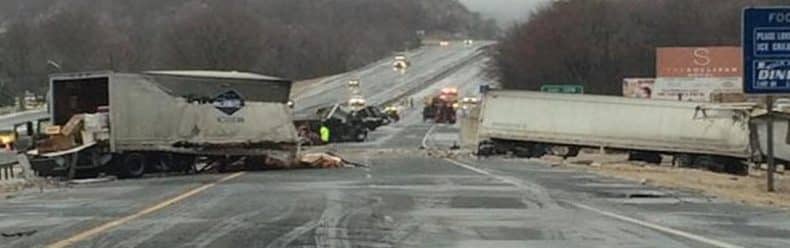
The case arose from an August 11, 2023 collision on Interstate 81 North near Hanover Township.
According to the complaint, the Plaintiff was traveling in the left lane when traffic slowed. The defendants allegedly failed to maintain control of their vehicles, resulting in a rear-end crash that caused serious injuries.
Like many injured drivers, the plaintiffs were forced to pursue:
-
Negligence claims against the drivers
-
A breach of contract claim against Nationwide
-
Underinsured/uninsured motorist (UIM) benefits
Why include their own insurer? Because when the at-fault driver doesn’t carry enough insurance, the injured person turns to the coverage they paid for. That’s not optional coverage. That’s protection drivers purchase for this exact scenario.
Insurance Company Tried to Split the Case
Nationwide argued that the UIM claim should be separated from the negligence claims against the drivers. In other words, they wanted two lawsuits instead of one. The court said no.
The judge explained that both claims arise from the same accident, involve the same injuries, and depend on the same core facts, fault, and damages. Forcing separate proceedings would duplicate testimony, increase expense, and delay resolution.
That’s not efficiency. That’s leverage.
The court also addressed concerns about mentioning insurance at trial. It made clear that joining negligence and UIM claims does not automatically violate evidentiary rules. Courts have the authority to manage those issues if necessary.
The bottom line, you don’t get to fragment an injured person’s case just because an insurance company is involved.
Punitive Damages Stay in the Case
The at-fault driver also attempted to strike the plaintiffs’ claim for punitive damages.
The complaint alleged that the defendant:
-
Drove at a high and excessive rate of speed
-
Failed to maintain an assured clear distance
-
Failed to observe slowed or stopped traffic
-
Struck the plaintiff’s vehicle after another collision
At this stage of the case, the court must accept those allegations as true and determine whether they could support punitive damages if proven.
The court ruled they could. That means punitive damages remain on the table. And that matters, because reckless driving isn’t just a mistake; it’s a conscious disregard for the safety of others.
Why This Ruling Matters
This decision reinforces three important principles:
1. Injury Victims Can Pursue Full Relief in One Action
When negligence and UIM claims stem from the same crash, they can be handled together. Courts are not interested in piecemeal litigation that benefits defendants at the expense of injured victims.
2. Insurance Companies Cannot Automatically Force Separate Trials
It’s common for insurers to argue prejudice or procedural technicalities. This ruling confirms that Pennsylvania law allows comprehensive claims to proceed when they arise from the same occurrence.
3. Punitive Damages Claims Are Not Easily Dismissed
When a complaint alleges facts suggesting reckless conduct, courts will allow those claims to proceed beyond the pleading stage.
What This Means for Injured Drivers in Pennsylvania
If you are injured in a crash and the at-fault driver’s policy limits are not enough, you may have the right to:
-
Pursue the negligent driver
-
Seek underinsured motorist benefits from your own insurer
-
Assert punitive damages where the facts support it
Insurance companies may not make that easy. But the law does not allow them to rewrite the rules of procedure to gain an advantage.
The Takeaway
The February 19, 2026 Order in Roth v. Gonzalez et al. ensures that the plaintiffs can pursue all available claims in one action. The preliminary objections were overruled. The case proceeds.
For injured victims, that’s more than a procedural ruling. It’s a reminder that when serious injuries occur, the courts recognize the right to seek full accountability from the driver who caused the harm and from the insurer obligated to provide coverage.
If you’ve been injured in a crash and are facing resistance from an insurance company, it’s critical to understand your rights early. Because strategy matters. And so does standing firm.
Frequently Asked Questions
Can I sue the at-fault driver and my own insurance company at the same time in Pennsylvania?
Yes. If the at-fault driver’s insurance is insufficient, you may pursue a negligence claim against the driver and an underinsured motorist (UIM) claim against your own insurer in the same lawsuit when the claims arise from the same accident.
What is an underinsured motorist (UIM) claim?
A UIM claim allows you to seek compensation from your own insurance company when the at-fault driver’s policy limits are not enough to cover your injuries and damages.
Why do insurance companies try to separate UIM claims from negligence claims?
Insurers sometimes argue that joining the claims could be prejudicial or violate evidentiary rules. However, Pennsylvania courts have repeatedly held that related claims from the same accident may proceed together.
Can punitive damages be awarded in a car accident case?
Punitive damages may be available if the at-fault driver’s conduct goes beyond ordinary negligence and rises to the level of reckless or outrageous behavior, such as excessive speeding or conscious disregard for safety.
What happens if the at-fault driver doesn’t have enough insurance?
If your damages exceed the other driver’s liability limits, you may recover additional compensation through your own underinsured motorist coverage, if you carry it.