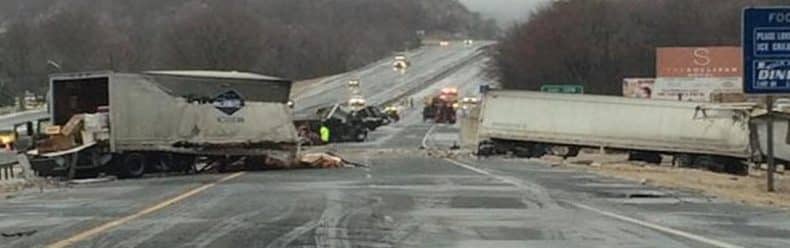

Route 6 runs through some of the most scenic parts of NEPA, stretching across rural areas, small towns, and mountainous terrain. While the drive can be beautiful, Route 6 is also one of the more dangerous roads in the region. Serious car accidents happen regularly, and many result in severe injuries or fatalities.
Drivers traveling Route 6 near Scranton and throughout NEPA often underestimate the risks. Higher speeds, limited lighting, narrow lanes, and long stretches without immediate emergency access all contribute to the severity of accidents on this roadway.
If you or someone you care about was injured in a crash on Route 6, understanding why these accidents happen and how they are handled differently than city crashes can help protect your rights.
Why Route 6 Accidents Are So Serious
Unlike urban roads, Route 6 passes through long rural stretches where conditions can change quickly. Drivers may encounter sharp curves, elevation changes, and limited visibility, especially at night or during bad weather.
Speed is a major factor. Vehicles tend to travel faster on rural highways, which increases the force of impact during a collision. When an accident happens at higher speeds, injuries are often more severe.
Another issue is delayed response time. In rural areas, emergency services may take longer to reach the scene. That delay can worsen injuries and complicate medical outcomes.
Weather also plays a role. Fog, snow, ice, and heavy rain are common throughout Northeastern Pennsylvania. Without adequate lighting or shoulder space, even experienced drivers can lose control.
Common Types of Accidents on Route 6
Crashes on Route 6 often look different from accidents on city streets. Common types include:
-
Head on collisions caused by lane departures
-
Run off road accidents
-
Rollover crashes
-
High speed rear end collisions
-
Wildlife related crashes
-
Weather related loss of control
Because Route 6 frequently lacks divided lanes or wide shoulders, there is little room for error when something goes wrong.
Does Rural Road Design Affect Injury Claims?
Yes, rural road design can directly affect how an injury claim is investigated and resolved.
Route 6 includes areas with limited shoulders, minimal guardrails, and fewer warning signs. Poor lighting and road maintenance can also contribute to crashes.
When road design or maintenance plays a role, liability may extend beyond the drivers involved. In some cases, government entities or contractors responsible for road upkeep may be part of the investigation.
Understanding whether roadway conditions contributed to a crash can strengthen an injury claim, especially when fault is disputed.
Are Route 6 Accidents Harder to Investigate?
In many cases, they are.
Rural accidents often involve fewer witnesses, limited surveillance footage, and less immediate documentation. Police reports may rely heavily on physical evidence from the scene rather than third party observations.
Key evidence in Route 6 crashes may include:
-
Skid marks and debris patterns
-
Vehicle damage analysis
-
Weather and road condition reports
-
Accident reconstruction findings
-
Cell phone or vehicle data
Because evidence can disappear quickly, early investigation is especially important in rural highway crashes.
Injuries Commonly Seen in Route 6 Crashes
Due to speed and impact force, Route 6 accidents frequently result in serious injuries, including:
-
Traumatic brain injuries
-
Spinal cord and back injuries
-
Broken bones and crush injuries
-
Internal organ damage
-
Permanent impairment or disability
Recovery from these injuries often requires extensive medical treatment, rehabilitation, and time away from work.
What to Do After an Accident on Route 6
If you are involved in a crash on Route 6 in Northeastern Pennsylvania, your actions afterward matter.
If possible:
-
Call 911 immediately
-
Seek medical attention, even if injuries seem minor
-
Move to a safe location if you can
-
Take photos of the scene, road conditions, and vehicles
-
Note weather, lighting, and visibility conditions
-
Get contact information from witnesses
-
Avoid giving statements to insurance companies without guidance
Rural accidents often involve complex questions about fault and causation. Understanding what to do after a crash can help preserve important evidence.
How Route 6 Crashes Differ From City Accidents
Route 6 accidents are often more complex than city street crashes because they involve:
-
Higher speeds
-
Fewer witnesses
-
Longer emergency response times
-
Potential roadway design issues
-
More severe injuries
These factors can affect both settlement value and how long a case takes to resolve.
Route 6 is a vital roadway through Northeastern Pennsylvania, but it also carries significant risk. Rural design, high speeds, and unpredictable conditions make accidents on this route especially dangerous.
If you were injured in a crash on Route 6 near Scranton or elsewhere in NEPA, understanding how these accidents differ from city crashes can help you make informed decisions about your next steps.
Working with a knowledgeable Pennsylvania car accident attorney can help ensure your case is properly investigated and that your rights are fully protected.
FAQs About Route 6 Accidents in Northeastern Pennsylvania
Why are Route 6 accidents so serious?
Higher speeds, rural road design, limited lighting, and delayed emergency response all contribute to more severe injuries.
Does rural road design affect injury claims?
Yes. Poor lighting, narrow lanes, lack of guardrails, or inadequate maintenance can play a role in determining liability.
Are Route 6 accidents harder to investigate?
Often, yes. Fewer witnesses and limited video footage make early evidence collection critical.
Do weather conditions matter in Route 6 accident cases?
Yes. Fog, snow, ice, and rain are common and can be key factors in determining fault.