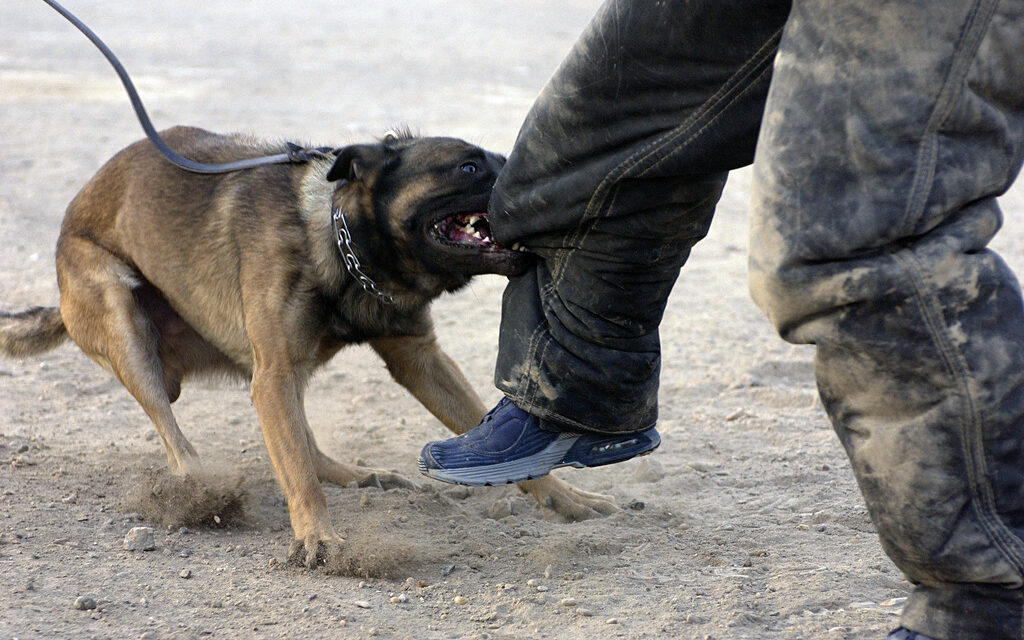
Pennsylvania Dog Bite Laws: The Basic Rule
In Pennsylvania, a dog owner or keeper may be responsible for medical treatment after a bite, while broader compensation can depend on negligence, prior aggression, failure to control the dog, and the facts of the attack.
A dog bite can happen in seconds, but the legal and medical consequences can last much longer. Victims may face puncture wounds, infection risk, scarring, nerve damage, emotional trauma, missed work, and questions about who is responsible.
In Pennsylvania, dog bite cases are not as simple as “the dog bit someone, so the owner automatically pays for everything.” The law is more layered than that.
Pennsylvania law generally looks at several questions:
- Was the dog properly confined, secured, or controlled?
- Did the owner or keeper know the dog was dangerous?
- Did the dog have a history of aggression?
- Was the victim lawfully on the property?
- Was the dog provoked?
- What injuries and damages did the bite cause?
Pennsylvania law requires dog owners or keepers to keep their dogs confined on their premises, firmly secured so they cannot stray, or under the reasonable control of a person.
That rule matters because many dog bite claims involve dogs that escaped a yard, broke loose from a leash, ran through a neighborhood, attacked another pet, or bit someone in a public place.
If you were bitten by a dog in Scranton, Wilkes-Barre, Hazleton, Allentown, Pittsburgh, Harrisburg, or anywhere in Pennsylvania, the key question is not just whether the dog bit you. The real question is why the attack happened and whether the owner, keeper, landlord, property owner, or another party failed to prevent it.
Is Pennsylvania a Strict Liability Dog Bite State?
Pennsylvania has a form of strict liability for dog bite medical costs, but that does not automatically mean every dog bite victim receives full compensation for every loss without proving fault.
Under Pennsylvania dog bite law, the owner or keeper of an attacking or biting dog must pay the victim’s medical treatment costs. The Pennsylvania Department of Agriculture explains that any cost to the victim for medical treatment caused by an attacking or biting dog must be paid fully by the dog’s owner or keeper.
That is important.
It means a victim may be able to recover medical expenses even if the dog never bit anyone before.
But medical bills are only one part of a dog bite injury claim. To recover compensation for pain and suffering, scarring, emotional distress, lost wages, future care, or other damages, the claim may require additional proof. That may include evidence that the dog owner was negligent, failed to control the dog, violated Pennsylvania dog laws, ignored prior warning signs, or knew the dog had dangerous tendencies.
So the cleaner explanation is this:
Pennsylvania dog owners may be responsible for medical costs after a dog bite, but full compensation often depends on the facts of the attack.
Who Can Be Liable After a Dog Bite in Pennsylvania?
The most obvious responsible party is usually the dog’s owner. But in some cases, the legally responsible person may also be the dog’s keeper.
A “keeper” may be someone who had control over the dog at the time of the bite, even if they were not the legal owner. For example, liability questions may involve:
- A dog owner
- A family member watching the dog
- A roommate
- A dog sitter
- A landlord or property manager in limited cases
- A business that allowed a dangerous dog on the property
- A person walking the dog
- A person temporarily caring for the dog
The right defendant depends on who owned the dog, who controlled the dog, where the attack happened, and whether anyone else had the ability to prevent the bite.
For example, if a neighbor’s dog escapes through a broken gate and bites someone walking on the sidewalk, the owner’s failure to secure the dog may become a major issue. If a landlord knew a tenant’s dog had attacked people before and failed to take reasonable action, the landlord’s knowledge and control over the property may become relevant.
What Counts as a Dangerous Dog in Pennsylvania?
Pennsylvania has specific dangerous dog rules. A dog can only be deemed dangerous by a Magisterial District Judge. According to the Pennsylvania Department of Agriculture, a dog may be deemed dangerous if it inflicted severe injury on a human without provocation, attacked a human without provocation, killed or severely injured certain domestic animals off the owner’s property, was used in a crime, or has a history of attacking without provocation.
Pennsylvania defines “severe injury” as an injury that results in broken bones or disfiguring lacerations requiring multiple sutures or cosmetic surgery.
That definition matters because serious dog bite cases often involve:
- Facial injuries
- Deep puncture wounds
- Torn skin
- Broken bones
- Permanent scarring
- Nerve damage
- Tendon injuries
- Injuries requiring stitches
- Injuries requiring plastic surgery
- Attacks on children
If a dog is legally classified as dangerous, the owner may face additional requirements. These can include registration, proper enclosure, warning signs, muzzling and restraint rules, microchipping, spaying or neutering, and liability insurance or bond requirements.
What Happens to the Dog After a Bite?
After a dog bites or attacks a human in Pennsylvania, the dog may need to be confined and isolated. The Pennsylvania Department of Agriculture says dogs detained after bites or attacks on humans must be isolated for a minimum of 10 days to determine the medical results of the dog’s confinement.
This is one reason it is important to report a dog bite to local animal control, police, or the appropriate local agency. Reporting the bite can help document the attack, identify the dog, confirm vaccination information, and create a record of what happened.
The CDC also recommends reporting dog bites to local animal control or police, especially when the dog’s rabies vaccination status is unknown or the dog appears sick or is acting strangely.
What Should You Do After a Dog Bite in Pennsylvania?
After a dog bite, the first priority is medical care. Even a bite that looks manageable can become infected or cause deeper damage beneath the skin.
A dog bite victim should consider taking these steps:
- Get medical care immediately.
Dog bites can cause infection, nerve damage, tendon damage, scarring, and rabies concerns. - Report the bite.
Contact local animal control, police, or the appropriate local authority. This creates an official record. - Identify the dog and owner.
Get the owner’s name, address, phone number, and insurance information if possible. - Ask about rabies vaccination status.
If the dog’s vaccination status is unknown, tell your doctor immediately. - Take photos.
Photograph the wound, torn clothing, blood, the location of the attack, the dog if safe, and anything that shows how the attack happened. - Get witness information.
Neighbors, delivery drivers, bystanders, or property employees may have seen the attack or know the dog’s history. - Do not give a recorded statement to insurance without legal guidance.
Insurance companies may look for ways to blame the victim, downplay the injury, or argue the dog was provoked. - Contact a Pennsylvania dog bite lawyer.
A lawyer can investigate the dog’s history, identify insurance coverage, preserve evidence, and determine whether the victim may recover more than medical bills.
What Compensation Can a Dog Bite Victim Recover?
A Pennsylvania dog bite victim may be able to recover compensation for:
- Emergency room treatment
- Doctor visits
- Surgery
- Stitches
- Plastic surgery
- Infection treatment
- Rabies-related treatment
- Tetanus shots
- Medication
- Physical therapy
- Future medical care
- Lost income
- Reduced earning ability
- Pain and suffering
- Emotional distress
- Permanent scarring
- Disfigurement
- Loss of enjoyment of life
Children are especially vulnerable in dog bite cases because they are more likely to suffer facial injuries, permanent scars, and emotional trauma. A scar that may seem “minor” to an insurance company can affect a child for the rest of their life.
That is why dog bite cases should not be treated like simple medical bill claims. The long-term impact matters.
Does Pennsylvania Have a “One Bite Rule”?
People often ask whether Pennsylvania has a “one bite rule.”
The phrase can be misleading.
Pennsylvania does not give every dog one free bite before the owner can be held responsible. A dog owner or keeper may still be responsible for medical costs after a first bite. However, prior bites, lunging, growling, chasing, snapping, or other aggressive behavior can become very important when proving that the owner knew or should have known the dog was dangerous.
In other words, the first bite may still matter legally, but prior warning signs can make a claim stronger.
Evidence of prior dangerous behavior may include:
- Previous bites
- Prior attacks on other dogs or cats
- Complaints from neighbors
- Animal control reports
- “Beware of dog” signs
- The owner warning people not to approach the dog
- The dog regularly escaping the yard
- The dog lunging at delivery drivers, mail carriers, or children
- Social media posts showing aggressive behavior
- Prior muzzle use
A good dog bite investigation looks backward. The question is often not just “What happened today?” It is also “What did the owner already know before this happened?”
Can You Still Recover Compensation If You Were Partly at Fault?
Possibly.
Pennsylvania follows a comparative negligence rule in personal injury cases. Under Pennsylvania law, a plaintiff’s negligence does not bar recovery as long as the plaintiff’s negligence was not greater than the defendant’s negligence, but damages may be reduced based on the plaintiff’s percentage of fault.
In dog bite cases, insurance companies may argue that the victim:
- Provoked the dog
- Ignored warnings
- Entered private property without permission
- Tried to pet an unfamiliar dog
- Was teasing or bothering the dog
- Failed to avoid an obvious risk
These arguments are especially sensitive when the victim is a child. Children do not understand danger the same way adults do, and the facts need to be evaluated carefully.
How Long Do You Have to File a Dog Bite Lawsuit in Pennsylvania?
In most Pennsylvania personal injury cases, including many dog bite injury claims, the statute of limitations is generally two years. Pennsylvania law provides a two-year limitation period for actions seeking damages for injuries to the person caused by wrongful act, neglect, unlawful violence, or negligence.
That does not mean you should wait.
Dog bite cases can become harder to prove as time passes. Witnesses forget details. Photos disappear. Video footage gets deleted. Animal control records may be harder to locate. The dog may be moved, sold, or put down before a full investigation is completed.
If the victim is a child, different deadline issues may apply, but families should still speak with a lawyer as soon as possible.
Who Pays After a Dog Bite?
In many cases, dog bite claims are paid through homeowners insurance or renters insurance. If the dog owner has insurance coverage, the claim may be handled by the insurance company rather than paid directly out of the dog owner’s pocket.
However, insurance companies do not simply hand over fair compensation because the injury is serious. They may dispute:
- Whether the dog was provoked
- Whether the owner knew the dog was dangerous
- Whether the injury is as serious as claimed
- Whether scarring is permanent
- Whether future treatment is needed
- Whether the victim’s emotional trauma is real
- Whether the victim’s lost wages are related to the attack
That is why documentation matters.
A strong dog bite claim may include medical records, photographs, witness statements, animal control records, prior complaint history, insurance information, expert opinions, and proof of how the injury affected the victim’s daily life.
Talk to a Pennsylvania Dog Bite Lawyer
A dog bite is not just a bad day. It can leave a person with permanent scars, medical bills, fear of dogs, anxiety, missed work, and lifelong reminders of the attack.
Pisanchyn Law Firm represents injured people throughout Pennsylvania, including victims of dog bites and dog attacks. If you or your child was bitten by a dog, our team can review what happened, explain your rights, and help determine who may be responsible. Learn more about how a Pennsylvania dog bite lawyer can help investigate the claim.
Contact Pisanchyn Law Firm today for a free consultation.
Frequently Asked Questions About Pennsylvania Dog Bite Laws
Who is responsible for a dog bite in Pennsylvania?
The dog’s owner or keeper may be responsible after a dog bite in Pennsylvania. In some cases, another party may also be responsible if they had control over the dog, knew the dog was dangerous, or failed to take reasonable steps to prevent the attack.
Does the dog owner have to pay my medical bills?
Pennsylvania law states that medical treatment costs resulting from an attacking or biting dog must be paid by the dog’s owner or keeper.
Can I sue for pain and suffering after a dog bite?
Yes, but recovering pain and suffering usually requires more than simply proving that a bite happened. The victim may need to prove negligence, prior dangerous behavior, failure to control the dog, or other facts supporting liability.
What if the dog never bit anyone before?
A prior bite is not always required. The owner or keeper may still be responsible for medical costs. Prior aggression, lunging, snapping, growling, escaping, or complaints can become important if the victim is seeking broader damages.
What should I do if my child was bitten by a dog?
Get medical care right away, report the bite, photograph the injuries, identify the dog and owner, ask about rabies vaccination, and contact a Pennsylvania dog bite lawyer. Child dog bite cases should be taken seriously because they often involve facial injuries, scarring, and emotional trauma.
How long do I have to file a dog bite lawsuit in Pennsylvania?
Most Pennsylvania personal injury claims have a two-year statute of limitations, but you should not wait to speak with a lawyer. Evidence can disappear quickly.
What if the dog bite happened on someone else’s property?
You may still have a claim. Liability may depend on who owned or controlled the dog, whether the dog had a known history of aggression, whether the property owner knew about the danger, and why you were on the property.
Should I talk to the dog owner’s insurance company?
Be careful. Insurance adjusters may seem friendly, but their job is to limit the claim. Before giving a recorded statement or accepting a settlement, speak with a lawyer who handles dog bite cases in Pennsylvania.