

What qualifies as a civil rights violation?
A civil rights violation occurs when a government actor or public official violates an individual’s constitutional protections. Common examples include excessive force, unlawful arrest, illegal searches, sexual abuse by authority figures, and discrimination by public entities. Not every negative encounter with police or government qualifies — the conduct must violate established constitutional standards.
Can I sue the police for excessive force?
Possibly. To bring a successful excessive force claim, the force used must have been objectively unreasonable under the circumstances. Strong cases often involve serious injuries, documented medical treatment, video evidence, or force used after a person was restrained. Minor discomfort or brief physical contact typically does not rise to the level of a federal civil rights lawsuit.
What is an officer-involved shooting lawsuit?
An officer-involved shooting lawsuit is a civil claim filed when law enforcement uses deadly force in a manner that violates constitutional protections. These cases often involve analysis of whether the officer reasonably believed there was an immediate threat. Federal law, including 42 U.S.C. § 1983, may allow injured individuals or families to pursue compensation.
Is a dismissed charge considered false arrest?
Not automatically. A criminal case being dismissed does not mean the arrest was unlawful. The key question is whether police had probable cause at the time of the arrest. However, if someone was arrested without legal justification and suffered significant harm, a false arrest or unlawful detention claim may exist.
Can I sue for being held in jail too long?
In some cases, yes. Unlawful detention claims may arise when a person is held beyond their lawful release date or detained without proper legal authority. The length of detention and resulting damages often play a critical role in whether a case is viable.
Can institutions be held liable for sexual abuse?
Yes. Schools, correctional facilities, churches, employers, and other institutions may be held liable if they failed to supervise, ignored prior complaints, or acted with deliberate indifference. Civil claims may proceed against both the individual wrongdoer and the institution that enabled or failed to prevent the abuse.
What damages are available in a civil rights lawsuit?
Potential damages may include:
• Medical expenses
• Lost wages
• Emotional distress
• Pain and suffering
• Loss of reputation
• Punitive damages in certain cases
Each case is fact-specific and requires careful legal evaluation.
What is qualified immunity?
Qualified immunity is a legal defense often raised by government officials in civil rights cases. It protects officials from liability unless their conduct violated clearly established constitutional law. This doctrine makes civil rights litigation complex and requires experienced federal court representation.
How long do I have to file a civil rights lawsuit in Pennsylvania?
In most cases, the statute of limitations for federal civil rights claims in Pennsylvania is two years from the date of the incident. However, specific circumstances may alter this timeline. It is important to seek legal advice promptly.
How do I know if I have a strong civil rights case?
Strong cases typically involve:
• Clear constitutional violations
• Documented physical or financial harm
• Evidence such as body cam footage or witnesses
• Significant damages
An attorney can review the facts and determine whether litigation is appropriate.
Civil Rights Litigation

Wrongfully arrested or unlawfully detained in Pennsylvania? Pisanchyn Law Firm represents victims of false arrest and civil rights violations. Contact an experienced attorney today.
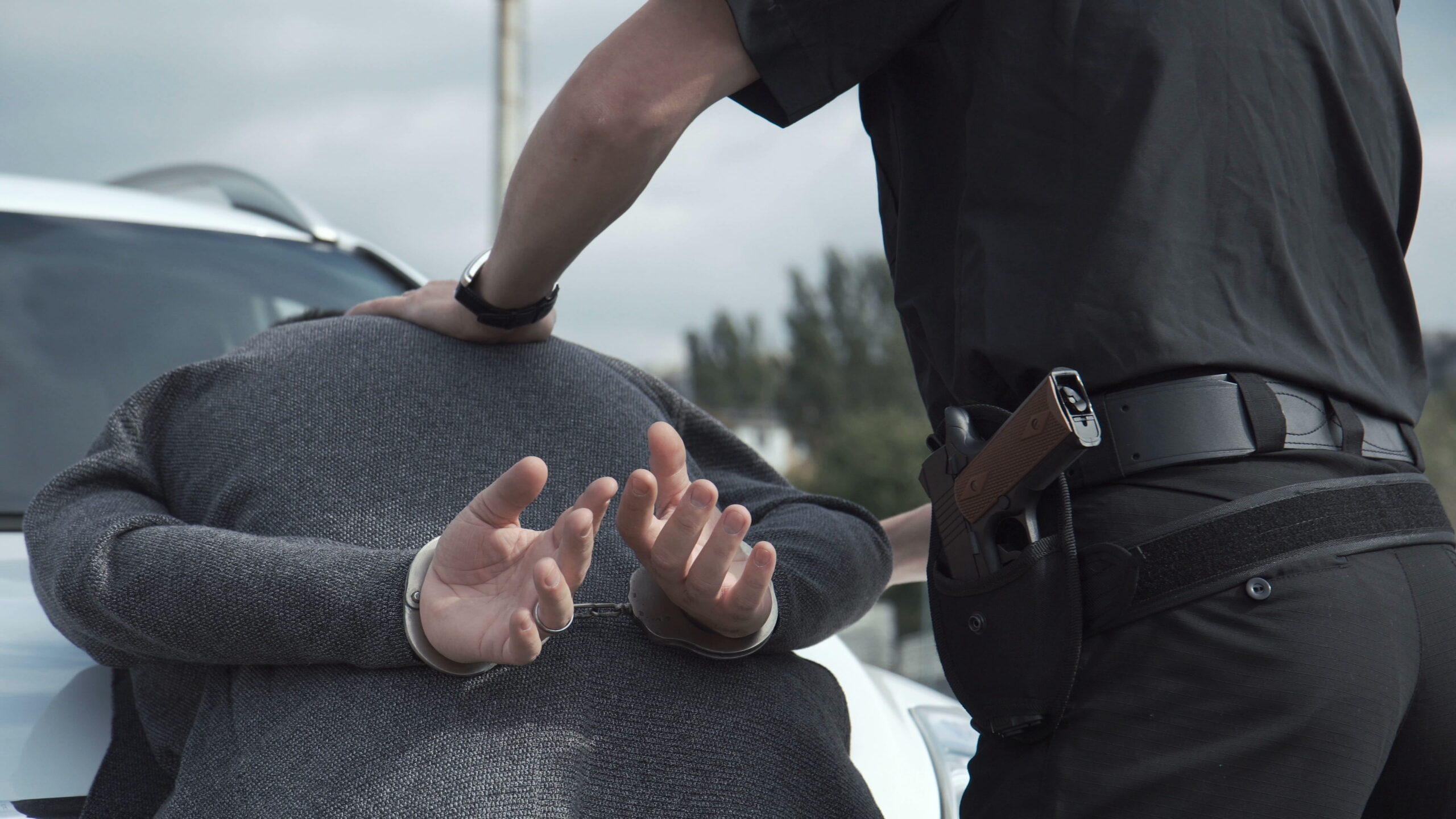
Injured by police excessive force in Pennsylvania? Pisanchyn Law Firm represents victims of serious police misconduct and civil rights violations. Confidential consultation available.

Pisanchyn Law Firm represents victims and families in officer-involved shooting cases across Pennsylvania. Speak with an experienced police shooting attorney about your legal rights.

Pisanchyn Law Firm represents survivors of sexual abuse across Pennsylvania, including cases involving schools, churches, law enforcement, and correctional facilities. Speak confidentially with an experienced sexual abuse attorney today.

At Pisanchyn Law Firm, we represent individuals whose constitutional rights have been violated by government actors, law enforcement officers, correctional staff, or public officials.
Have questions about civil rights lawsuits in Pennsylvania? Learn about excessive force, officer-involved shootings, false arrest claims, and institutional liability. Speak with an experienced civil rights attorney today.
Civil Rights Litigation News

Learn what factors make a police excessive force claim strong in Pennsylvania, including serious injury, video evidence, and constitutional violations.

Injured by police misconduct in Pennsylvania? Learn when you can sue law enforcement for excessive force, false arrest, or civil rights violations.

Learn what qualified immunity means in Pennsylvania civil rights cases, how it protects government officials, and when it can be challenged in federal lawsuits.